Source uv ink damper for mimaki and chinese printer for UV Flatbed, Inkjet, and Digital Printers
Explore 30 listings for the uv ink damper for mimaki and chinese printer designed to stabilize ink supply and protect nozzles. Buyers can compare specifications, prices, and shipping options for UV flatbed, inkjet, and digital printing applications.
Key considerations
Products List
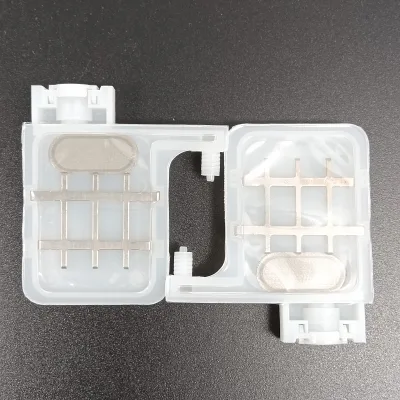


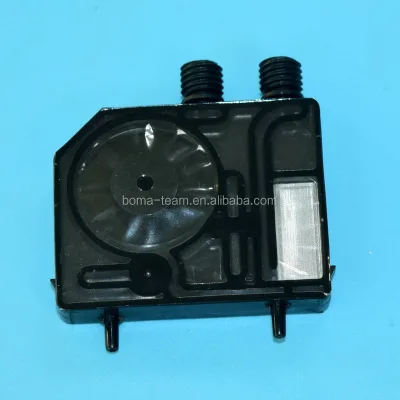
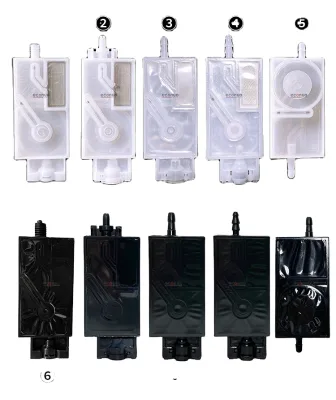
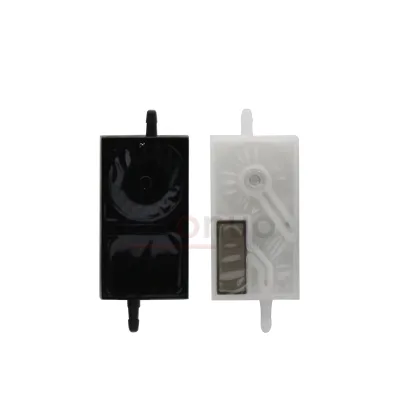
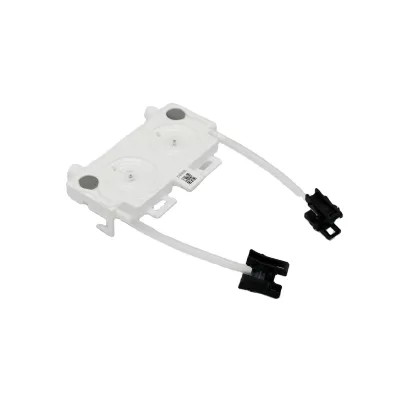
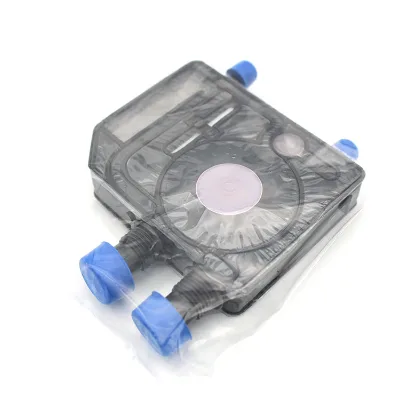
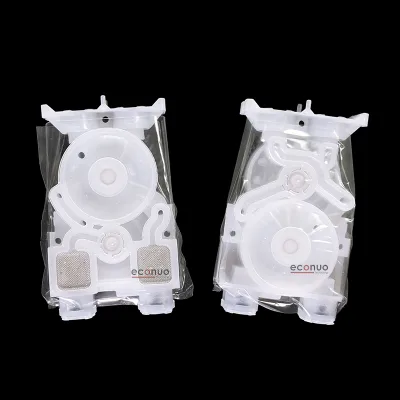
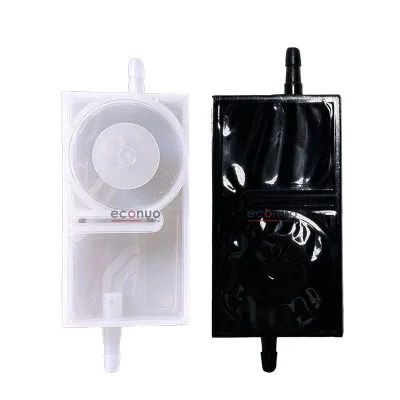


Comprehensive Sourcing Guide
Strategic Sourcing Guide for UV Ink Dampers for Mimaki and Chinese Printers
Understanding the Technical Landscape of Ink Dampers
The procurement of ink dampers for UV flatbed printers, specifically those compatible with Mimaki and various Chinese printer models, requires a deep understanding of the component's function within the inkjet ecosystem. An ink damper, often categorized technically as a nozzle accessory or a fluid stabilizer, serves a critical role in maintaining consistent ink flow and pressure. In the context of UV curing technology, the ink is highly viscous and contains photoinitiators that react rapidly under UV light. The damper acts as a buffer, filtering impurities, stabilizing the ink supply, and protecting the print head from air bubbles and pressure fluctuations that could lead to nozzle clogging or misfiring.
When sourcing for Mimaki and Chinese printer platforms, buyers must recognize that while the core function remains identical, the physical interface and internal filtration specifications can vary significantly. The observed product attributes indicate that these dampers are constructed from Polypropylene (PP), a material chosen for its chemical resistance against solvent-based and water-based inks. The specific models identified in the market, such as GS-JV33, GS-G4/G5, GS-3200UV, and GS-JV300, suggest a modular approach where specific damper units are engineered to fit the ink lines of different printer series. For Mimaki users, the compatibility often hinges on the specific series of the printer, while Chinese printer variants may utilize different connector standards or flow rates.
The technical specification of the damper is not merely a matter of physical dimensions but involves the internal architecture designed to handle specific ink types. The market data highlights a diversity in ink compatibility, with products listed for Water Based Ink, Solvent Ink, and UV Ink. This variation is crucial because a damper designed for solvent ink may not possess the necessary chemical resistance or filtration density for UV formulations, which can cure and harden if exposed to air or light prematurely. Furthermore, the weight of these components is consistently observed around 0.2 kg to 0.55 kg, indicating a robust build necessary to withstand the mechanical stress of high-pressure ink delivery systems. Buyers must verify that the selected damper matches the specific ink viscosity and curing requirements of their printer to ensure optimal performance.
Compliance, Certification, and Material Standards
In the B2B procurement of industrial printing components, compliance and material safety are paramount. The supply chain for ink dampers often involves manufacturers operating under various international standards, though specific certification statuses must be verified on a per-supplier basis. The available data points to the existence of certifications such as CE, ISO, and RoHS. These certifications are indicative of a manufacturer's adherence to safety, environmental, and quality management protocols. The CE mark, for instance, suggests compliance with European health, safety, and environmental protection standards, which is often a prerequisite for exporting machinery parts to global markets. Similarly, ISO certifications imply a structured quality management system, while RoHS compliance ensures that the materials used, such as the Polypropylene casing, do not contain restricted hazardous substances.
However, buyers must exercise caution when interpreting these certifications. The presence of a certification label on a product listing does not automatically guarantee that every unit in a specific batch meets the standard. It is essential to request valid certification documents directly from the supplier and verify their authenticity. The material composition is another critical area of verification. The observed use of PP (Polypropylene) is standard for its durability, but the specific grade of PP used can affect the damper's resistance to UV curing agents and solvents. A lower-grade polymer might degrade over time, leading to leaks or contamination of the ink supply.
The product standards observed in the market, such as the 0.1KG and 0.5KG weight specifications, serve as rough proxies for the internal volume and structural integrity of the damper. These figures should be cross-referenced with the printer manufacturer's technical documentation. For Mimaki printers, which are known for high precision, the damper must maintain a tight tolerance to prevent ink leakage or air ingress. Chinese printer models, while often more cost-effective, may have varying tolerances that require specific damper designs. Buyers should verify that the damper's internal filtration mechanism meets the micron-level requirements necessary to protect the expensive print heads of these machines. Without proper filtration, particulate matter in the ink can cause nozzle blockages, leading to costly downtime and print head replacement.
Cost Drivers and Pricing Dynamics in the Market
The pricing of UV ink dampers is influenced by a complex interplay of factors, including material costs, manufacturing complexity, brand positioning, and logistics. The observed price range in the market spans from $0.98 to $194.09, a significant variance that reflects the diversity in product quality, compatibility, and supplier capabilities. At the lower end of the spectrum, prices often correspond to generic dampers designed for standard Chinese printer models or basic replacements. These units may utilize standard PP materials and have simpler internal structures. Conversely, the higher price points are typically associated with specialized dampers engineered for high-end Mimaki printers or those with advanced filtration systems and custom certifications.
Several key drivers contribute to these price differences. First, the level of customization available plays a significant role. Products marked as "Customization: Available" often command a premium as they require additional engineering and tooling to meet specific buyer requirements. Second, the complexity of the ink type compatibility affects cost. Dampers designed to handle multiple ink types, such as those supporting both UV and solvent inks, may involve more sophisticated sealing mechanisms and material treatments, increasing the manufacturing cost. Third, the packaging and shipping methods influence the final price. Options like "Standard Export Wooden Case" or specialized carton packaging add to the unit cost but provide better protection during transit, which is crucial for delicate components.
The Minimum Order Quantity (MOQ) is another critical factor in the total cost of ownership. The observed MOQ range of 1 to 20 sets allows for flexibility, but bulk purchasing often yields better unit economics. For small businesses or those testing new printer models, an MOQ of 1 set is advantageous, allowing for low-risk procurement. However, for large-scale operations, negotiating a lower MOQ or a volume discount can significantly reduce the per-unit cost. Additionally, the lead time, observed as 3-5 days for many suppliers, impacts the urgency and cost of procurement. Faster delivery times often come with a premium, especially when utilizing express shipping methods like DHL, FedEx, or UPS.
Buyers must also consider the total cost of acquisition, which includes not just the unit price but also shipping, customs duties, and potential costs associated with product failure. A cheaper damper that fails prematurely and causes print head damage represents a much higher cost than a premium unit that ensures long-term reliability. Therefore, while the price range is wide, the decision should be based on a holistic evaluation of quality, compatibility, and the potential risks of downtime rather than the initial purchase price alone.
Typical Applications and Printer Compatibility
The application of UV ink dampers is primarily centered on maintaining the operational efficiency of flatbed and wide-format UV printers. These components are essential for stabilizing the ink supply, filtering impurities, and protecting the print head from air bubbles. The observed product attributes highlight a broad range of applications, including use on UV flatbed printers, flatbed inkjet printers, and specific models like the Man Roland Printer. For Mimaki users, the damper is a critical accessory that ensures the printer operates at peak performance, particularly when switching between different ink types or running high-volume jobs.
The compatibility matrix for these dampers is extensive, covering various printer brands and models. The data indicates compatibility with "Flatbed Printer," "Chinese Printer," and "UV Printer" as general categories, with specific models like GS-JV33, GS-G4/G5, and GS-3200UV listed as specific product identifiers. This suggests that the market offers a wide array of dampers tailored to different printer architectures. For Mimaki printers, which are renowned for their precision and reliability, the damper must match the specific ink line configuration of the machine. Mismatched dampers can lead to pressure inconsistencies, resulting in poor print quality or hardware damage.
Chinese printers, often characterized by their cost-effectiveness and versatility, also require specific dampers to function correctly. The diversity in Chinese printer models means that a one-size-fits-all approach is rarely effective. Buyers must carefully match the damper model number to their specific printer series. The observed keyword "Ink Damper for Epson" and "Ink Damper for Ricoh" further illustrates the cross-compatibility nature of these components, where a single damper design might be adapted for multiple printer brands through different fittings or adapters.
The usage scenarios for these dampers extend beyond simple ink delivery. They are designed to filter ink, stabilize ink supply, and protect the print head, making them indispensable for high-quality printing operations. In industrial settings where printers run continuously, the damper acts as a buffer against fluctuations in ink pressure and temperature. For users working with UV inks, which are sensitive to light and air, the damper's ability to maintain a sealed and stable environment is crucial. The material choice of PP ensures that the damper can withstand the chemical properties of the inks without degrading, ensuring long-term reliability in demanding applications.
Supplier Evaluation and Quality Assurance Protocols
Selecting the right supplier for UV ink dampers requires a rigorous evaluation process that goes beyond price comparisons. The quality of the damper directly impacts the performance and longevity of the printer, making supplier reliability a top priority. Buyers should assess suppliers based on their product condition, testing protocols, and warranty terms. The observed attribute "Products condition: New" and "Excellent 100% Tested" suggests that reputable suppliers ensure their products are brand new and undergo strict quality control before shipment. However, buyers must verify these claims by requesting test reports or quality assurance documentation.
The warranty status is another critical factor. The data indicates that warranty information is often "Unavailable," which is a red flag for buyers. A lack of warranty coverage suggests that the supplier may not stand behind the quality of their products, increasing the risk for the buyer. In contrast, suppliers offering a clear warranty period demonstrate confidence in their product's durability and performance. Buyers should prioritize suppliers who provide explicit warranty terms, even if the standard is limited, as this provides a safety net against defective units.
Quality assurance protocols should also include verification of the manufacturing process. Suppliers with ISO certifications are more likely to have standardized production lines and quality control measures in place. Buyers should inquire about the specific testing procedures used to ensure the damper's filtration efficiency and structural integrity. The "100% Tested" claim should be backed by evidence, such as batch testing records or third-party inspection reports. Additionally, the supplier's ability to provide customization options indicates a higher level of technical capability and flexibility, which is beneficial for buyers with specific requirements.
Logistics and shipping methods are also part of the supplier evaluation. The observed shipping methods, including DHL, FedEx, TNT, and EMS, indicate that suppliers have established logistics networks. Buyers should assess the reliability and speed of these shipping options, as well as the packaging quality. The "Standard Export Wooden Case" or "Carton" packaging options suggest that suppliers are aware of the need to protect delicate components during transit. A supplier that invests in proper packaging is more likely to deliver products in good condition, reducing the risk of damage during shipping.
Long-Term Procurement Considerations and Strategic Sourcing
Long-term procurement of UV ink dampers requires a strategic approach that balances immediate needs with future scalability. The variability in MOQs, ranging from 1 to 20 sets, offers flexibility for different business sizes, but buyers should plan for volume growth. Establishing a relationship with a reliable supplier can lead to better pricing, priority support, and consistent quality over time. Buyers should consider the total cost of ownership, including the cost of potential downtime and print head replacements, rather than focusing solely on the unit price.
Inventory management is another key consideration. Given the lead time of 3-5 days, buyers can maintain a lean inventory strategy, but they should have a buffer stock to account for unexpected demand or supply chain disruptions. The availability of customization options allows buyers to tailor the dampers to their specific printer models, reducing the risk of compatibility issues. However, buyers should also consider the obsolescence of printer models and ensure that the dampers they procure will remain compatible with their equipment for the foreseeable future.
Payment terms and methods, such as TT, Western Union, and PayPal, offer various levels of security and flexibility. Buyers should negotiate payment terms that align with their cash flow needs while ensuring that the supplier has a vested interest in delivering high-quality products. For example, partial payment upon order placement and the remainder upon delivery can balance risk for both parties. Additionally, buyers should monitor market trends and supplier performance to adapt their procurement strategy as needed.
Finally, the environmental impact of the procurement process should be considered. The use of PP materials and the adherence to RoHS standards indicate a commitment to environmental responsibility. Buyers should prioritize suppliers who demonstrate a strong commitment to sustainability, as this aligns with broader corporate social responsibility goals. By adopting a strategic, long-term approach to procurement, buyers can ensure a steady supply of high-quality UV ink dampers that support the efficient operation of their printing equipment.
FAQs
Which ink types are compatible with this UV ink damper?
The damper supports Water Based Ink, Solvent Ink, and UV Ink. It is designed to filter and stabilize supply for various formulations while protecting the print head from air bubbles and impurities.
What is the minimum order quantity for purchasing these dampers?
The minimum order quantity ranges from 1 to 10 sets depending on the specific model. Some listings require a single set for testing, while others may mandate ten sets for certain configurations.
Can I find dampers with CE and ISO certifications available?
Yes, products are available with CE, ISO, and RoHS certifications. These marks indicate adherence to safety and environmental standards, though buyers should verify specific batch documentation directly with the supplier.
How long does delivery take for these ink dampers?
The typical delivery time is 3 to 5 days for most suppliers. This lead time applies to standard orders and may vary depending on the specific shipping method selected like DHL or FedEx.
What materials are used to construct these ink dampers?
The dampers are constructed from Polypropylene (PP) material. This choice ensures chemical resistance against solvent and UV inks while maintaining structural integrity under high-pressure ink delivery systems.
Which printer models are compatible with this damper?
The damper is compatible with UV Flatbed Printers, Chinese Printers, and specific models like GS-JV33 and GS-G4/G5. It also supports applications for Man Roland and Epson printer systems.